
Is walking 5 miles a day good for you?
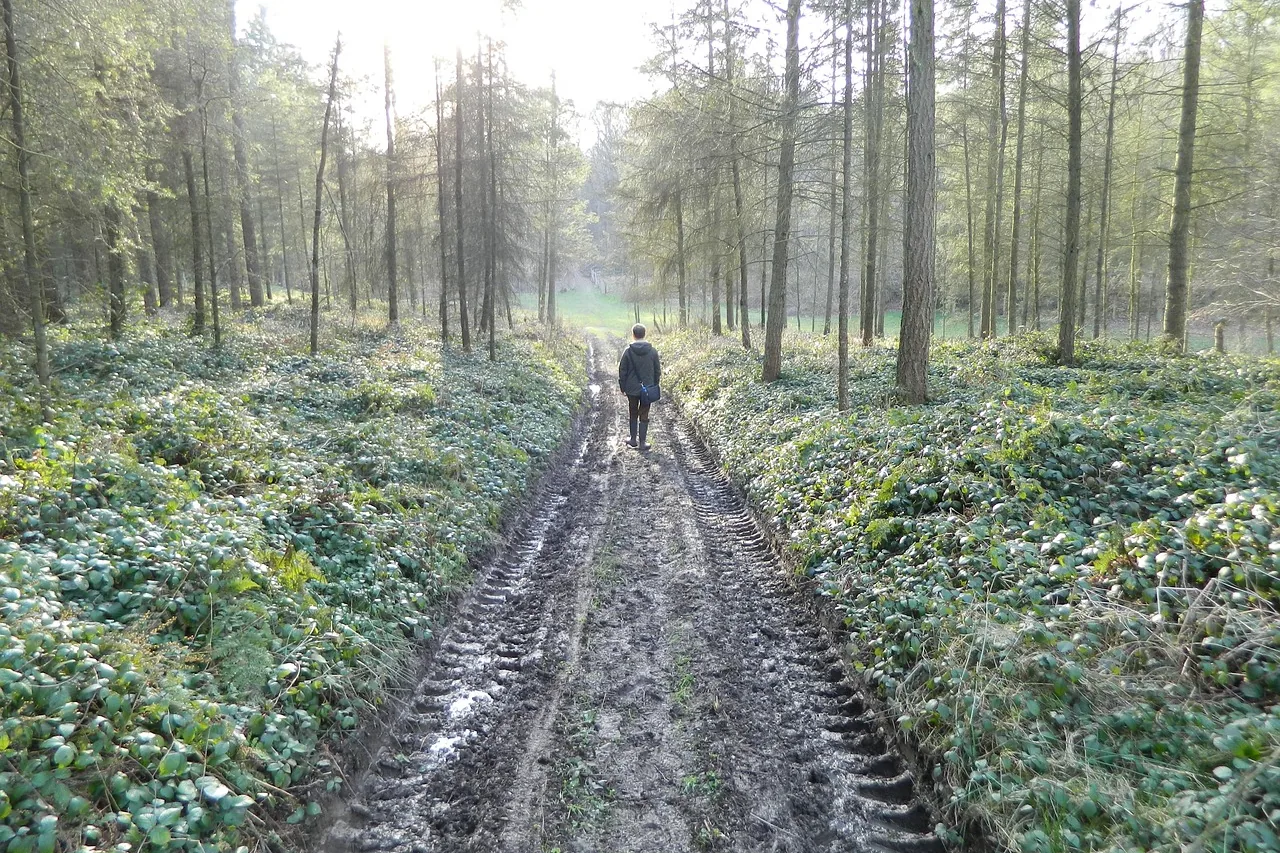
5 miles is 8.0 km. As a daily walk, it is a long walk that takes real time every day. Here is what it means in steps, time and calories, and what the research says about walking that much.
The short answer
Yes. Five miles is about 10,500 to 12,500 steps, depending on your height, which is past the point where the largest step studies find the benefit of daily steps levels off for most outcomes. It takes about an hour and a half to two hours of walking, so it is a big daily commitment, and most of its health benefit is already there at three to four miles.
5 miles in steps, time and calories
Steps depend on your stride, which depends mostly on height:
| Height | Steps in 5 miles |
|---|---|
| 155 cm (5 ft 1 in) | about 12,500 |
| 165 cm (5 ft 5 in) | about 11,800 |
| 175 cm (5 ft 9 in) | about 11,100 |
| 185 cm (6 ft 1 in) | about 10,500 |
Time depends on pace:
| Pace | Time for 5 miles |
|---|---|
| Easy, 4 km/h (2.5 mph) | 2 h 1 min |
| Average, 5 km/h (3.1 mph) | 1 h 37 min |
| Brisk, 6 km/h (3.7 mph) | 1 h 20 min |
Calories depend mostly on body weight. For an adult of average height at an average pace, counting all the energy used during the walk:
| Body weight | Calories for 5 miles |
|---|---|
| 55 kg (121 lb) | about 380 |
| 70 kg (154 lb) | about 480 |
| 85 kg (187 lb) | about 580 |
| 100 kg (220 lb) | about 680 |
These come from a model of walking energy built on height, weight and speed (Ludlow and Weyand, 2016), the same one behind our calories per mile page. Our walking calculator works it out for your own height, weight and pace.
What the research says about 5 miles a day
No study or guideline measures walking in miles. The big studies count steps, so the step figures above are how 5 miles connects to the evidence:
- A 2025 review in The Lancet Public Health (Ding and colleagues) found that, compared with 2,000 steps a day, people taking 7,000 had a 47% lower risk of dying during the studies, and lower risks of heart disease, dementia, type 2 diabetes, depressive symptoms and falls. For early death, heart disease, dementia and falls, the curve flattened at around 5,000 to 7,000 steps.
- A 2022 meta-analysis (Paluch and colleagues, 15 studies, 47,471 adults) found the risk of dying levelled off at about 6,000 to 8,000 steps a day for adults 60 and over, and 8,000 to 10,000 for younger adults.
Five miles a day is beyond the levelling-off point in both reviews. At 10,500 to 12,500 steps, it is above the 8,000 to 10,000 where the 2022 analysis saw the curve flatten for adults under 60, and well above the 6,000 to 8,000 for adults 60 and over. That doesn’t make the extra miles pointless: for deaths from heart disease and stroke, cancer deaths, type 2 diabetes and depressive symptoms, the 2025 review found more steps kept helping in a straight line. But the gain from the fourth and fifth mile is smaller than from the first two.
These studies follow people rather than assign them to walk, so they show a strong link, not proof that the steps alone made the difference.
If you enjoy it and have the time, five miles a day is a very active day. In the step tiers researchers use, it is “active” to “highly active”, the top two bands. If you are short of time, three miles a day gets most of the way: see is walking 3 miles a day good.
Does it count toward the exercise guidelines?
The US guidelines ask adults for at least 150 minutes a week of moderate activity. Walking counts as moderate when it is brisk: the CDC puts that at about 3 mph (4.8 km/h) or faster. At that pace, 5 miles takes about 1 h 40 min, so 5 miles a day of brisk walking is several times the weekly minimum. Easy strolling still adds steps, but it doesn’t count toward the 150 minutes.
Building up to it
If you walk much less now, build up rather than jumping to five miles. Add a mile or so a week and keep it for a while before adding more. Comfortable shoes and a few rest days matter more at this distance, and if anything starts to hurt, ease off.
A goal for every walk
The hard part of walking more is not the walking. It is having a reason to go out today. reTrek gives your walks a finish line: pick a famous route, like the Camino de Santiago or the Inca Trail, and every walk moves you further along it, with a short film about the place waiting at each milestone. You stop looking for a spare moment to walk and start walking to reach the next milestone.
At 5 miles a day, Lukla to Everest Base Camp takes about 7 days. Everest Base Camp is free. Get reTrek.